Beginner's Guide to Pickleball Fundamentals
Everything you need to know about getting started with pickleball — equipment, basic rules, and finding beginner workshops near you.
What Makes Pickleball Different?
Pickleball's one of the fastest-growing sports in America, and for good reason. It's easier on your joints than tennis, doesn't require years of training to actually enjoy, and honestly? The community is fantastic. You'll find players from ages 8 to 85 on the same courts, all genuinely encouraging each other.
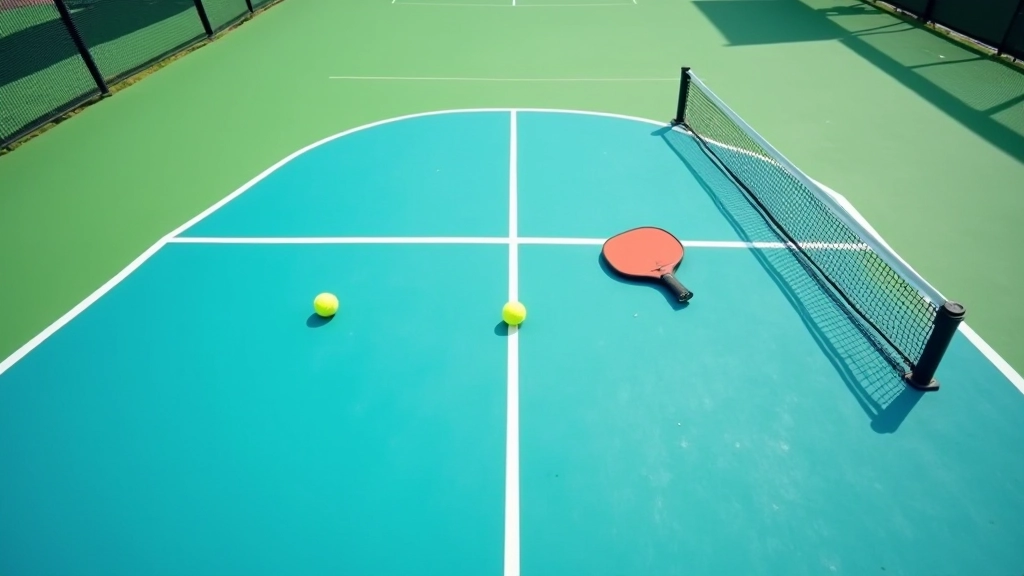
The basics are simple enough. It's played on a court about a third the size of a tennis court, with a solid paddle and a perforated ball. Games move faster, rallies are shorter, and you're never standing around waiting for someone to win a long baseline exchange. Plus, the serve is underhand — no crazy arm angles to master from day one.
Essential Equipment You'll Need
You don't need to spend hundreds to get started. Here's what actually matters.
Paddle
Beginners can start with a paddle in the $30-60 range. You're looking for something lightweight, around 7-8 ounces. Most recreational paddles work fine for learning. Don't overthink it yet.
Ball
Pickleball balls cost $2-4 each, and you'll want a few. Indoor balls have larger holes and are slightly softer. Outdoor balls are smaller-holed and more durable. Most beginners start with whatever's available at their local court.
Court Shoes
Wear sneakers with good side-to-side support. Court shoes designed for tennis or basketball work great. Your regular running shoes are fine too if that's what you've got. Just avoid shoes with heavy tread that'll stick to the court.
Comfortable Clothing
Wear whatever lets you move freely — shorts, athletic pants, t-shirts, tank tops. The sport isn't formal. Lots of players wear moisture-wicking fabrics because you will break a sweat. Weather-appropriate layers if you're playing outdoors.
The Rules You Actually Need to Know
Pickleball's got official rules that cover everything, but here's what matters when you're starting out.
The Serve
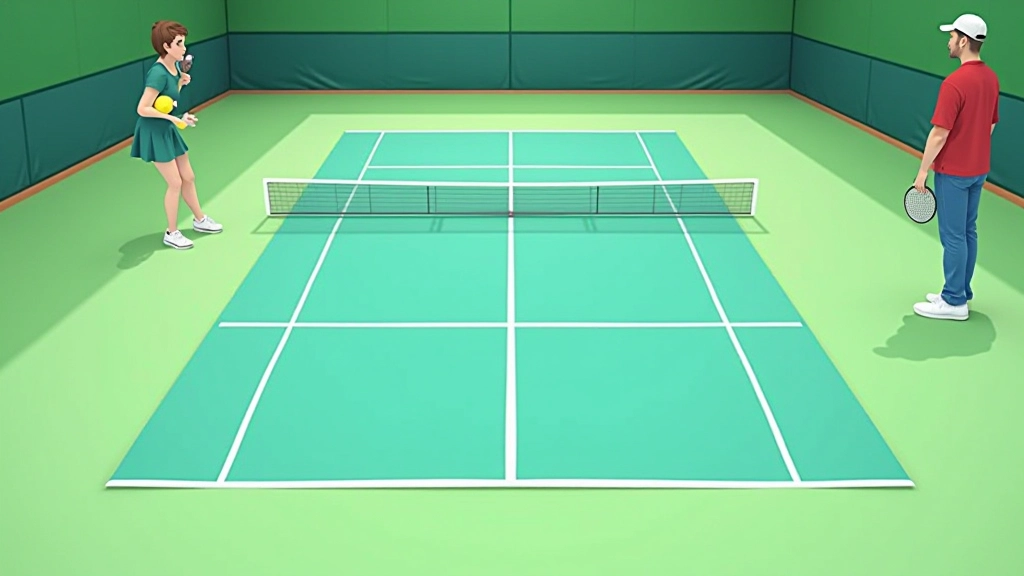
You serve underhand, hitting the ball below your waist. The serve's diagonal, just like tennis. You get one attempt — no second serves. Don't worry about power here. Consistency matters way more than hitting an ace.
The Kitchen (No-Volley Zone)
There's a 7-foot zone on both sides of the net called the kitchen. You can't hit the ball in the air while standing in the kitchen — only volleys from behind the line. It's weird at first. You'll get used to it.
Scoring to 11
Games go to 11 points, and you win by 2. Only the serving team scores points. Sounds simple, and it is. Most recreational games take 15-25 minutes, which is why you can play multiple games in one session.
Double Bounce Rule
The serve must clear the kitchen, and the receiving team must let it bounce. Then the serving team lets their return bounce too. After that, you can volley or hit off the bounce — your choice.
Basic Techniques to Master First
You don't need fancy footwork or spin serves. Focus on these fundamentals.
Ready Position
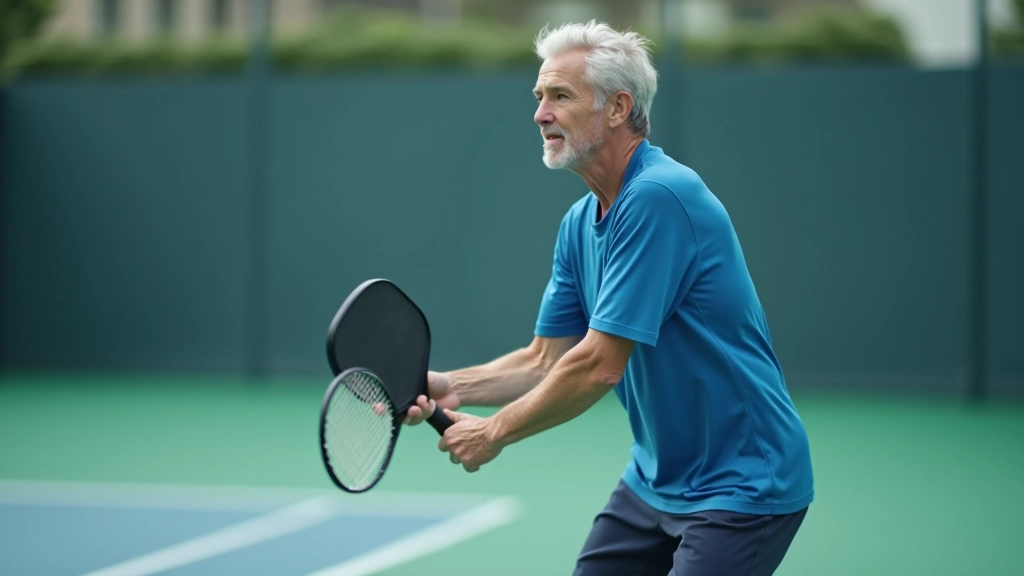
Stand with your feet shoulder-width apart, knees slightly bent, paddle up at chest height. You're basically bouncing on the balls of your feet, ready to move in any direction. This isn't complicated — it's just staying ready.
The Forehand
Most of your shots will be forehands. Rotate your shoulders, bring the paddle back to about hip height, then swing forward. The motion's smooth, not hard. You're guiding the ball, not smashing it. That's the whole point.
The Backhand
Same principle — rotate, bring the paddle back, swing through. Your backhand doesn't need to be powerful. Consistency beats power every single time. Most beginners develop a decent backhand within 4-6 weeks of regular play.
The Dink
This is the most important shot in pickleball. It's a short, soft shot that lands in the kitchen on the other side. You'll spend half your game dinking back and forth. It looks easy but it's actually the hardest thing to learn because it requires patience and touch.
Finding Beginner Workshops & Court Socials
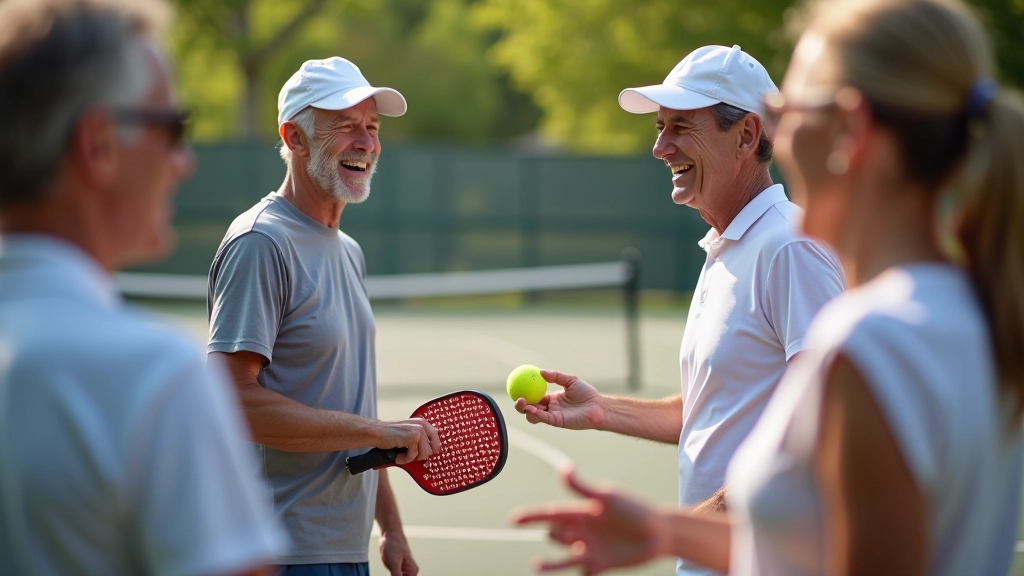
The pickleball community's genuinely welcoming to beginners. You're not walking into something intimidating — most people playing started exactly where you are.
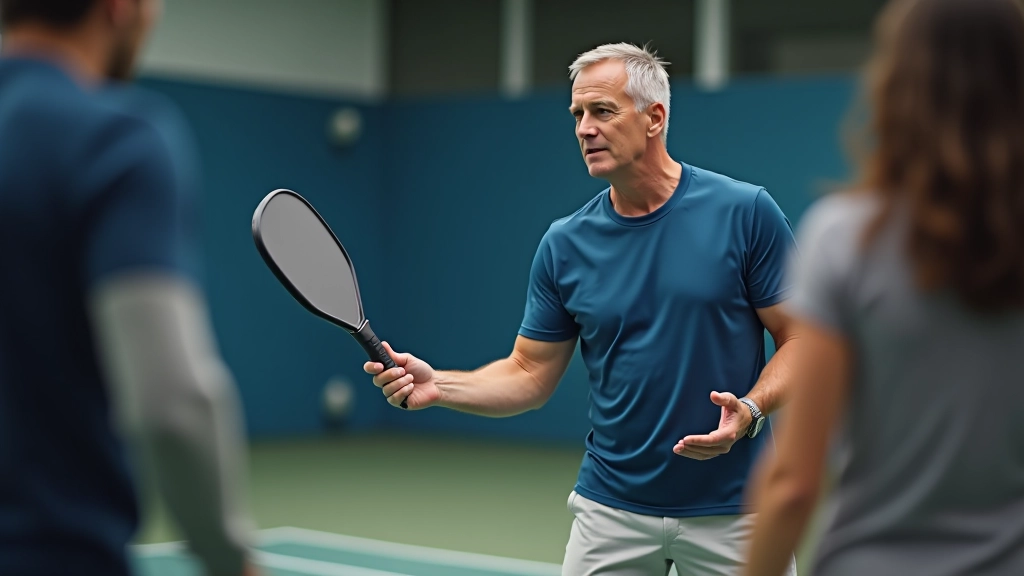
Look for beginner workshops in your area. These are usually 1-2 hours, taught by certified instructors, and cost between $15-40 per person. You'll learn the basics, get some hitting practice, and meet other people just starting out. It's worth doing before you jump into open play.
After a workshop or two, check out court socials. These are casual meetups — usually on weekends — where people of all levels show up to play. You'll rotate in and out of games, play with different partners, and actually start understanding how the game flows. Don't be nervous. Seriously. Everyone there was a beginner once.
Pro tip: Show up a few minutes early and chat with people. Ask questions about the court, where to find equipment, which sessions are best for beginners. You'll be surprised how helpful the pickleball crowd is.
Your First Few Weeks
Don't overthink it. Seriously. Your first few weeks are about getting comfortable on the court and understanding how the game actually flows.
Week one: Just hit balls. Don't worry about winning. You're learning how the paddle feels, how the ball bounces, where your body naturally wants to be. Most beginners are shocked at how quickly their basic swing feels normal.
Week two-three: Start noticing where the kitchen is and what happens when you cross the line. Play some actual games. You'll lose points because you didn't know the rules, and that's fine. That's literally how everyone learns.
Week four and beyond: By now your dink should be getting more consistent. Your ready position's probably becoming automatic. You're starting to understand positioning and court strategy. And you'll definitely have made some friends who play.
Mistakes Beginners Make (And How to Avoid Them)
Hitting Too Hard
You'll see beginners trying to crush every ball. The court's small. You don't need power. Controlled, consistent shots win rallies. Save the aggression for when you've got solid fundamentals.
Poor Footwork
Standing flat-footed will hurt your game and your knees. Stay on the balls of your feet, move to the ball rather than reaching for it. It sounds basic but it makes a huge difference.
Ignoring the Kitchen
New players constantly step into the kitchen or try to volley from inside it. Watch where your feet are. It's the most common penalty in beginner games, but once you're aware of it you'll stop doing it quickly.
Weak Serves
Your serve doesn't need to be fast. It needs to be in. Too many beginners serve so softly that the ball doesn't even clear the net, or they're trying so hard to hit deep that they go long. Aim for the service box and get it in consistently.
"I wasn't sure about the whole pickleball thing at first. Seemed too casual or something. But I took a beginner class and within three weeks I was hooked. The people are genuinely nice, and you actually feel like you're improving every time you play. Plus I've made friends I see twice a week now. Can't ask for more than that."
— Robert, 58
Disclaimer
This guide is provided for informational and educational purposes. The information about pickleball fundamentals, equipment, and rules is intended to help beginners understand the sport. Always consult official pickleball rulebooks and certified instructors for authoritative guidance. Before starting any new sport, especially if you have existing health conditions or concerns, consult with a healthcare professional. Pickleball involves physical activity and carries inherent risks — play responsibly, warm up properly, and listen to your body. Court availability, rules, and beginner programs vary by location. Check with your local facility for specific details about workshops, schedules, and requirements.