
Finding Court Social Meetups in Your Area
A practical guide to locating and joining weekly court socials where you can play casually and build friendships with other racket sports enthusiasts.

Why Court Socials Matter More Than You Think
Court socials aren't just about hitting a ball around. They're where friendships happen, where you get better without the pressure of competition, and where you'll find your people. If you're 40 or older looking to join the racket sports community, court socials are the best entry point — low-stakes, welcoming, and genuinely fun.
The thing is, finding them can feel harder than it should be. They're not always advertised loudly. They don't have flashy marketing. But they're everywhere, and once you know where to look, you'll discover a whole community of players who are exactly where you are — looking for good tennis or pickleball without the tournament stress.

Where to Search for Court Socials
Start with your local tennis facilities. Most public courts, private clubs, and recreation centers run socials — they're often the easiest to access. Call ahead or check their websites. You're looking for terms like "drop-in play," "social tennis," "open play," or "court social." Some places schedule these at specific times, usually early mornings (7-9 AM) or early evenings (5-7 PM).
Top Places to Check:
- Municipal tennis centers and parks
- Private tennis clubs (many offer guest rates)
- Pickleball facilities and dedicated courts
- Recreation and community centers
- University and college courts (often open to public)
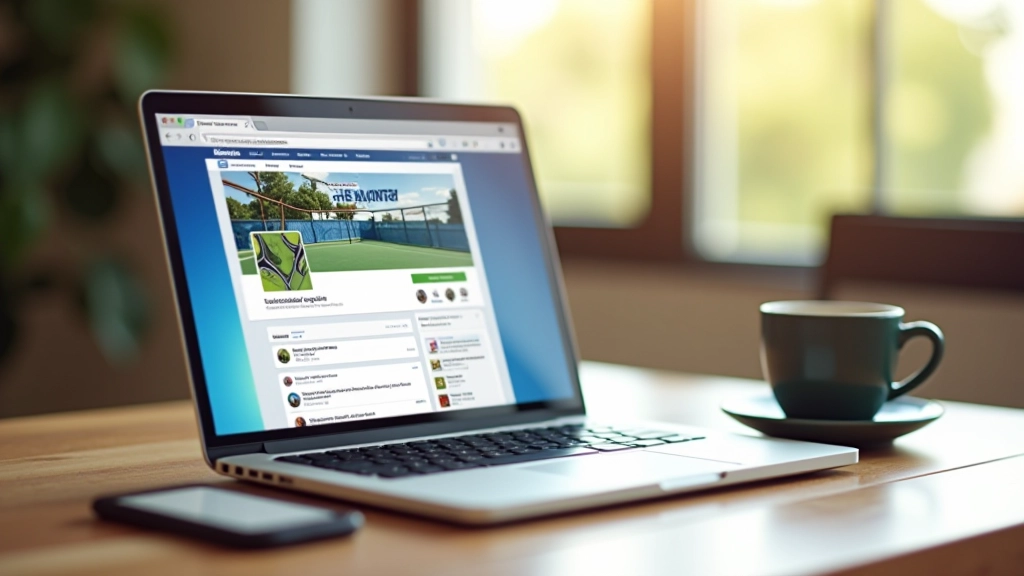
Don't overlook Facebook groups either. Search "[Your City] tennis" or "[Your City] pickleball" — you'll find local groups where people post socials regularly. These groups are goldmines for discovering hidden gems and making connections before you ever set foot on the court.

Apps and Online Platforms That Work
Apps like Meetup, Bumble BFF (yes, really — there's a sports section), and even some tennis-specific apps list court socials regularly. Meetup is particularly strong for this. You'll find groups organized by skill level, age range, and sometimes even specific locations. The advantage? You can see who's going, read reviews, and get directions all in one place.
Some cities also have their own tennis or pickleball directories. A quick Google search for "[your city] tennis directory" or "[your city] pickleball clubs" often pulls up comprehensive lists with contact info and schedules. You're looking for places that specifically mention social play or beginner-friendly formats.
The beauty of online platforms? You can message organizers before showing up. Ask questions about skill level, what to bring, or if there's a specific etiquette. Most organizers are thrilled when people reach out in advance — it shows genuine interest.
Preparing for Your First Court Social
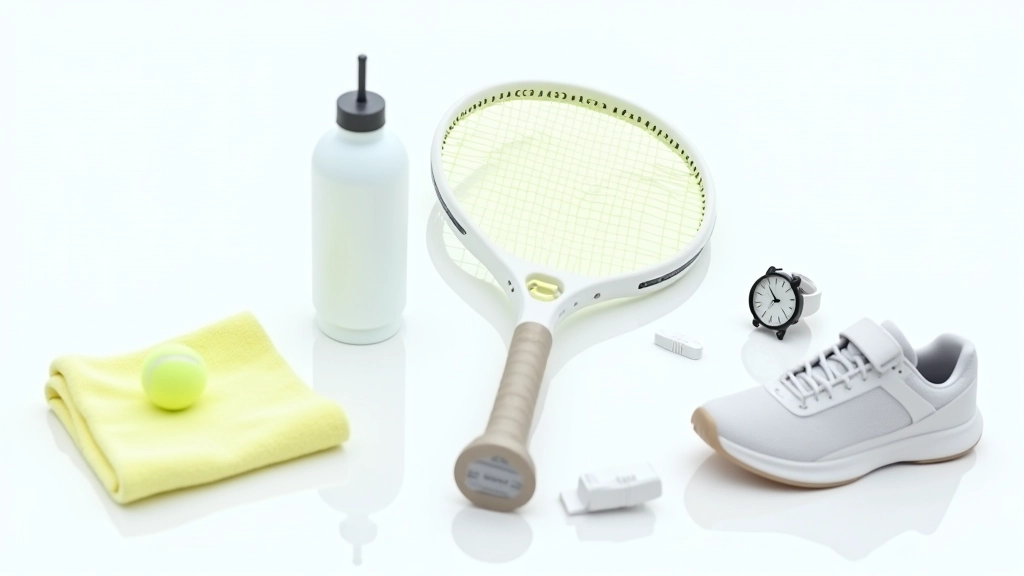
Showing up unprepared will kill your confidence before you even hit a ball. Here's what actually matters. First, bring the right gear. You'll need a racket (doesn't have to be expensive), proper court shoes (not running shoes — they don't provide lateral support), and water. Lots of water. Court socials usually run 60-90 minutes, and you'll sweat more than you expect.
Second, arrive 10-15 minutes early. This gives you time to meet the organizer, ask where to put your things, and get a feel for the energy. You'll see how the group operates — whether they rotate players constantly, stick to doubles pairings, or play longer matches. Arriving early also signals you're serious and respectful of everyone's time.
Essential Checklist:
The Unwritten Rules That Matter
Court socials thrive on respect and inclusivity. You're not here to show off your skill level. You're here to play good tennis or pickleball and have fun doing it. Call lines fairly — when in doubt, give the benefit to the other player. Yes, it costs you points, but it builds trust and reputation instantly.
Be a good teammate. If you're playing doubles, communicate with your partner. Call "mine" on shots heading toward them, encourage them after mistakes, and celebrate good shots together. The people you play with today could become your regular doubles partners, so treat every interaction like you're building a relationship — because you are.
Don't monopolize court time. If the format is rotating play, keep your games to the agreed-upon length. Respect court rotations. If someone's sitting out waiting, don't take extra time between points. And after you're done playing, help put equipment away. Small gestures like these get you invited back and included in better time slots.
From New Player to Regular — How to Build Real Connections
Show up consistently. This is the single biggest factor. Court socials have regulars — the people who are there every Tuesday at 7 AM or every Saturday morning. Become one of them. After 3-4 visits, people start recognizing you. After 8-10 visits, you're part of the community. These regulars will remember you, save court time for you, and eventually invite you to other events.
Exchange numbers with people you click with. Don't be weird about it — just say something like, "Hey, I had a great time playing with you. Mind if I grab your number so we can coordinate games?" Most players are genuinely happy to connect. Text them after a social and suggest playing again. Simple follow-up messages turn casual acquaintances into actual friends.
"I wasn't sure about showing up alone at first, honestly. But the Tuesday morning group at our municipal courts welcomed me like I'd been there forever. Now it's the highlight of my week — I've got a regular doubles partner and we're thinking about entering a tournament together."
— Robert, age 58
Suggest coffee or a casual lunch after court. You're building friendships, not just tennis connections. These off-court interactions are where the real bonds form. You'll hear about other events, get insider tips about upcoming tournaments, and find people interested in the same skill levels you are.
Your Next Move
Finding a court social is genuinely easier than you think once you know where to look. Start with your local parks and recreation department — they almost always have programs listed. Check Facebook groups and Meetup apps. Call facilities and ask directly about drop-in times. You'll be surprised how many options exist within 15 minutes of your home.
Pick one and show up this week. Seriously. Not next month, not when you've practiced more, not when you feel more confident. This week. Bring your racket, bring your water, and bring an open mind. You'll play some tennis or pickleball, you'll meet good people, and you'll probably schedule another session before you leave the court.
Court socials aren't complicated. They're just regular people who love racket sports, want to improve, and genuinely enjoy being around others who feel the same way. That could be you. And after a few weeks of consistent play, it will be.
Related Articles

How to Prepare for Your First Doubles Tournament
Training tips, partner communication strategies, and mental preparation techniques for tournament success.
Read Article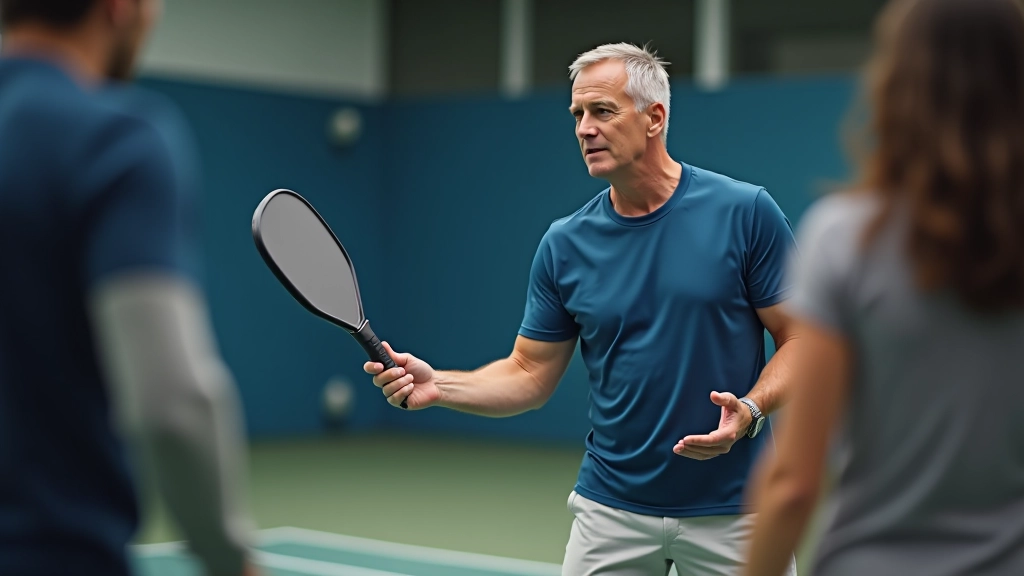
Beginner's Guide to Pickleball Fundamentals
Everything you need to know about getting started with pickleball — equipment, basic strokes, and court positioning.
Read Article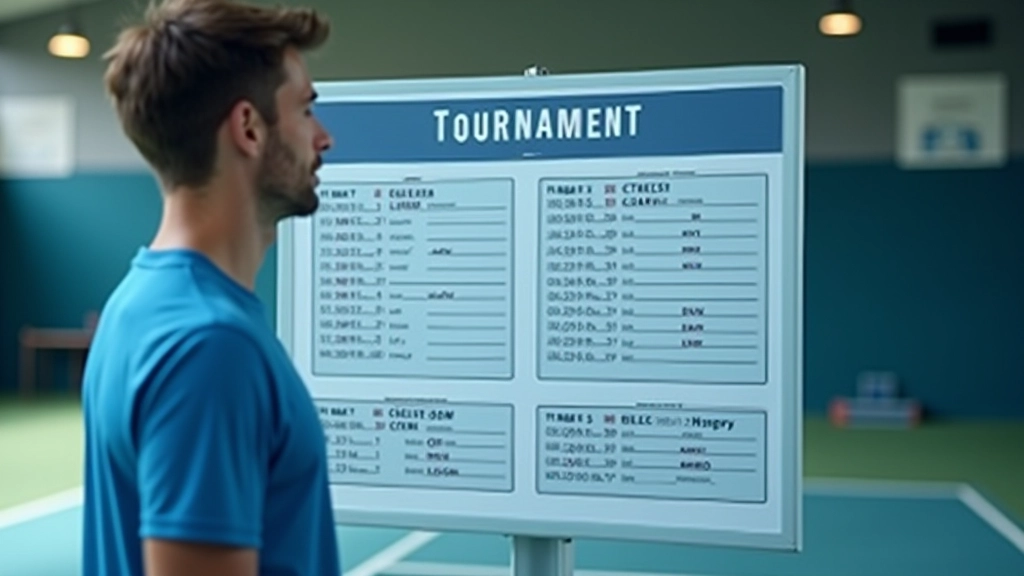
Mixed League Match Schedules Explained
Understand how mixed leagues work, what to expect during the season, and tips for maximizing your playing time.
Read ArticleInformation Disclaimer
This article provides general information about finding and participating in court social meetups for racket sports. Court availability, schedules, and formats vary significantly by location and facility. We recommend contacting your local facilities directly to confirm current programs, requirements, and any associated fees or membership needs. Always consult with appropriate professionals regarding physical fitness, injury prevention, or health concerns before beginning any new sport or activity.