
How to Prepare for Your First Doubles Tournament
Master the fundamentals of partner communication, strategic positioning, and mental toughness to compete with confidence at any age.

Why Doubles Is Different
Doubles tennis and pickleball aren't just about individual skill. You're playing alongside a partner, covering different court zones, and making split-second decisions together. It's a completely different game from singles — one that rewards communication, trust, and smart positioning over raw power.
The good news? You don't need to be a champion athlete to compete well. Players in their 40s, 50s, and 60s dominate doubles tournaments because they understand court strategy and play with their brains, not just their bodies. The techniques we'll cover here work at any age. You'll focus on what matters: staying consistent, moving efficiently, and knowing exactly where your partner is at all times.
This guide covers the training methods, partner strategies, and mental approaches that'll have you ready for your first tournament.

Build Your Foundation First
You've got to start with the basics. Three weeks before your tournament, focus on court positioning and movement patterns. Don't worry about hitting winners — focus on consistency and getting to the right spots.
Ready Position
Feet shoulder-width apart, knees slightly bent, weight on the balls of your feet. You're bouncing lightly, staying alert. This position lets you move in any direction without being caught flat-footed.
The Service Box
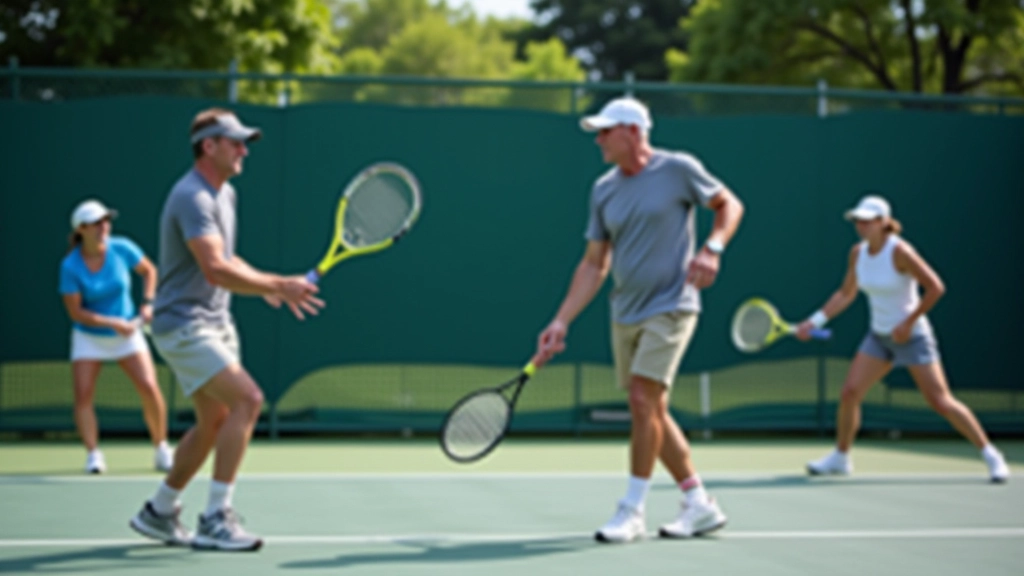
In doubles, the service boxes become your territory. You and your partner split the court down the middle. Know exactly where your half ends and your partner's begins. Most mistakes happen because players overlap or leave gaps.
The Net Approach
When you hit a ball and move forward, you're moving to the net. This is where doubles is won — at the net, not from the baseline. Your approach should be decisive. Hit and move. No hesitation.
Partner Communication Is Everything
Here's what separates winning doubles teams from losing ones: constant communication. We're talking about calling out the ball, saying "mine," signaling coverage, and adjusting strategy between points.
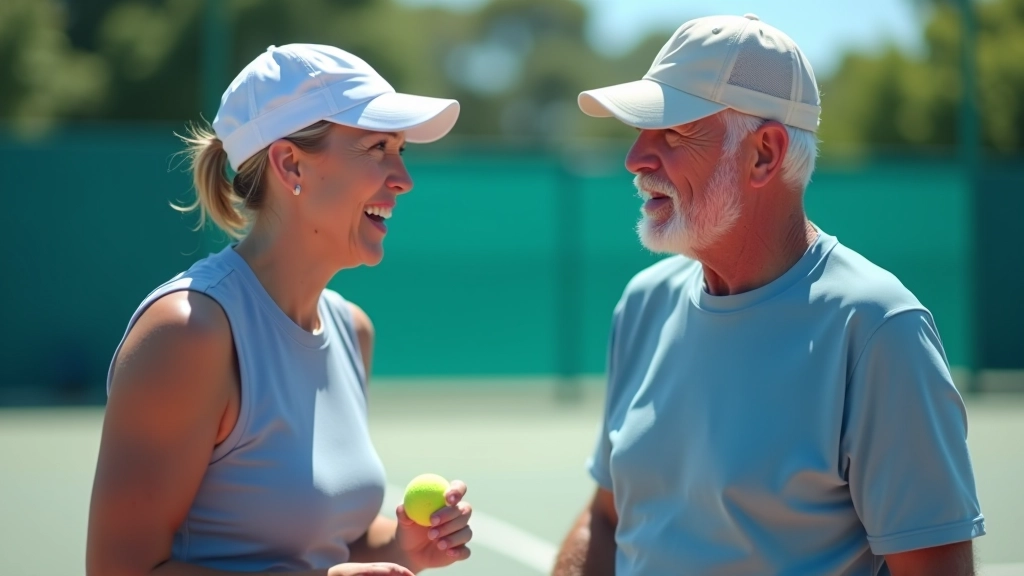
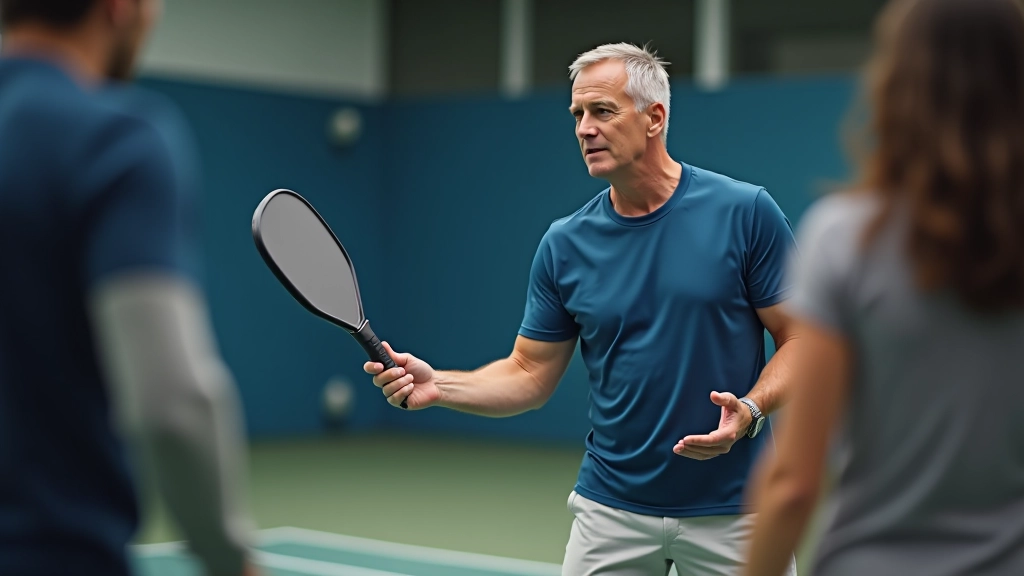
You'll develop signals with your partner. A simple hand gesture that means "I'm moving to cover the middle" or "you take this one." You don't want to rely on looking at your partner during a rally — by then it's too late. The best doubles teams work like a unit because they've practiced their communication.
- Call the ball early: "Mine" or "yours" the second you see where it's heading
- Communicate at the net: Tell your partner what you're seeing from the net position
- Adjust between points: Quick chat about what's working and what isn't
- Encourage constantly: Even when things aren't going well, stay positive
Two Weeks of Focused Training
Two weeks out from your tournament, you should be playing actual doubles matches. Not just hitting balls — real games with scoring, pressure, and match situations.
You want to train the scenarios you'll face. That means practicing serves, returns, net play, and covering each other. Each training session should last about 90 minutes. Three sessions per week is ideal. More than that and you risk overtraining; less and you won't develop the patterns your body needs.
The Mental Game Matters Most
Doubles tournaments can feel intense. You're playing alongside someone else, and there's real competition. But here's the truth: most players aren't as good as they think they are. That nervous feeling you have? Everyone's got it.
The key is accepting that you'll make mistakes. You will double-fault. You will miss volleys. That's not failure — that's tennis. What matters is how you respond. Stay focused on the next point. Talk to your partner. Keep your energy positive. Players who win aren't always the ones with the best technique — they're the ones who stay composed when things get difficult.
"We went in thinking we had to be perfect. After the first set, our coach told us to just play the game. Stop trying to win so hard. That changed everything. We started making better decisions and actually had fun."
— David, 54, played his first tournament last fall
Before your match, spend 10 minutes alone thinking about what you'll do well. Not worrying about what could go wrong — focusing on what you're prepared for. You've trained. You know your positioning. You and your partner have signals worked out. You're ready.

Prepare Your Body
The week of your tournament, dial back the intensity. You don't want to arrive tired. Light practice is fine — just movement and footwork, not hard drilling.
Make sure you're getting proper sleep. Seven to eight hours minimum. Your body recovers during sleep, and you need to be sharp. The night before, don't do anything strenuous. Have an early dinner, stay hydrated, and get to bed at a reasonable time.
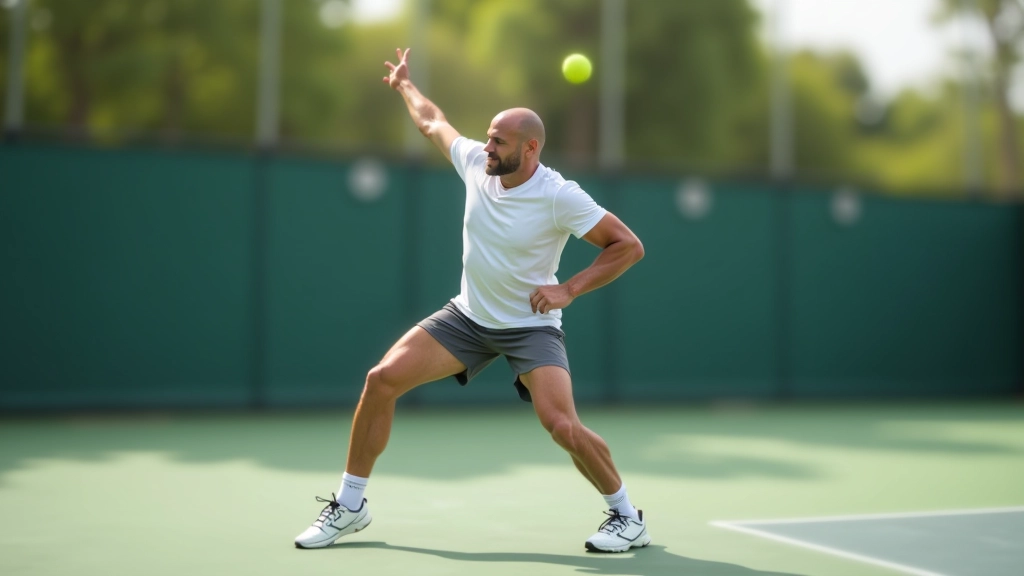
On tournament day, arrive early. Get to the court 30 minutes before your match. This gives you time to warm up properly, get comfortable with the court conditions, and settle your nerves. A proper warm-up should include movement patterns specific to doubles — short explosive movements, quick direction changes, and net positioning.
15-Minute Warm-Up Routine
- 5 minutes: Easy jogging and dynamic stretching
- 5 minutes: Hitting groundstrokes with your partner (rallying, not hitting hard)
- 3 minutes: Serve and return practice (focus on consistency, not power)
- 2 minutes: Net volleys and overhead practice
Smart Strategy Beats Raw Talent
In doubles, positioning is everything. The team that controls the net wins the point. That means you should be thinking about getting to the net on almost every rally. Don't stay at the baseline trying to hit winners — that's singles thinking.
Your basic strategy: serve and move forward. Return and prepare to move forward. Hit a ball deep and advance. Always moving toward the net. The team at the net dictates the point. The team at the baseline is just trying to survive.
Pay attention to your opponents' weaknesses. If one player has a weaker backhand, hit to that side. If one player is slower, make them run. Don't be afraid to hit down the middle sometimes — it's a good target in doubles because both players are closer together.
You're Ready to Compete
Tournament day is going to feel different. There's adrenaline. There's pressure. And you know what? That's the fun part. You've trained. You've worked on positioning with your partner. You've practiced the mental side. You're not walking in blind.
Remember: every player in that tournament felt exactly like you do right now. They're nervous. They're wondering if they're good enough. The ones who play well aren't superhuman — they're just people who showed up prepared and kept their composure.
The goal isn't to be perfect. The goal is to be consistent, communicate clearly with your partner, and enjoy the experience. You're competing at something you love. That's already a win.
Ready for More?
Get updates about upcoming tournaments and court socials in your area.
Browse More ResourcesRelated Articles

Disclaimer
This article is for educational and informational purposes. The strategies and techniques described are general guidance and may need to be adapted based on individual circumstances, age, fitness level, and any existing injuries or health conditions. Always consult with a qualified coach or healthcare provider before beginning any new training program. Tournament participation and physical activity carry inherent risks. We encourage you to train safely, listen to your body, and work with experienced professionals in your local tennis or pickleball community.